
49+
Years Of Experience
Heating and Cooling Without Ductwork
Ductless mini-split installation in Hockessin for home additions, garages, and converted spaces lacking access to central HVAC systems
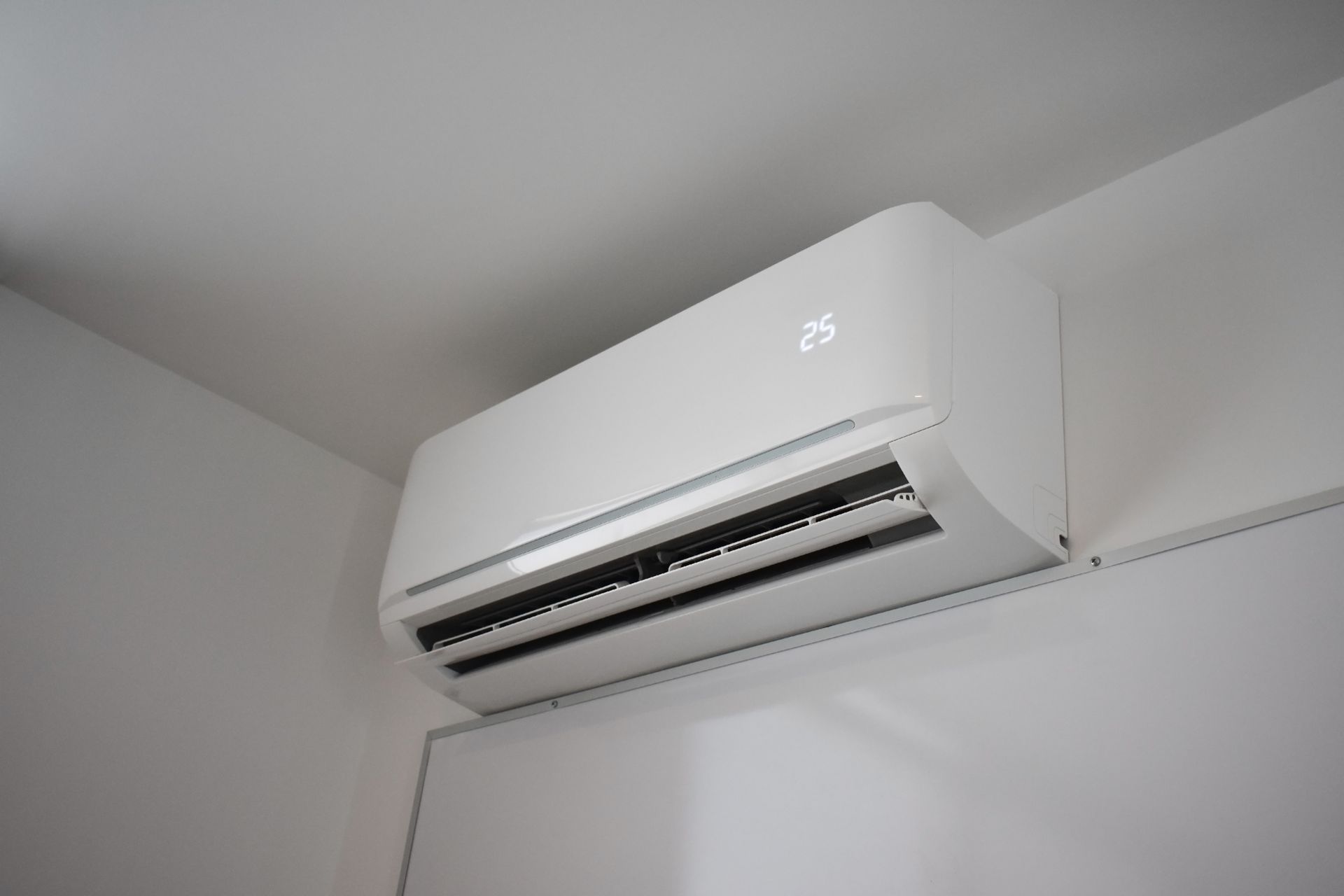
Many older homes in Hockessin were built with heating systems that don't extend to later additions, finished basements, or detached garages, leaving these spaces uncomfortably warm in summer and cold in winter. Ductless mini-split systems solve this by mounting compact indoor air-handling units directly in the spaces that need climate control, connected to an outdoor condenser by refrigerant lines that run through a small penetration in the wall. William G Day Co installs single-zone and multi-zone ductless systems sized for the specific square footage and insulation of each area, allowing you to control temperatures independently without the expense of extending ductwork.
The installation process involves mounting the indoor unit on an interior wall, drilling a core hole for the refrigerant and condensate lines, securing the outdoor condenser on a concrete pad or wall bracket, and connecting the system with pre-charged lines that eliminate the need for field refrigerant handling on most installations. Each indoor unit includes a remote control or wall-mounted thermostat for zone-specific temperature settings.
Arrange an on-site consultation to review placement options and system sizing for your property.
Why Zone-Specific
Temperature Control Works
Ductless systems heat or cool only the rooms being used, eliminating the energy waste of conditioning entire floors or running central systems to reach a single room. Multi-zone configurations connect up to five indoor units to one outdoor condenser, allowing different temperature settings in bedrooms, home offices, or converted spaces that have different comfort needs.
After installation, you'll notice that the conditioned space reaches the set temperature quickly without the lag time typical of central systems, and energy costs drop because you're not paying to heat or cool unused areas. Indoor units operate quietly, and refrigerant lines hidden inside wall cavities or exterior line sets avoid the visual clutter of window units.
Wall-mounted indoor units are the most common configuration, though ceiling-cassette and floor-mounted options are available for properties with specific layout constraints. The system includes both heating and cooling modes, using heat pump technology to transfer warmth even on cold days, and condensate is drained through a small tube routed outdoors or into an existing drain line.
Questions Before Starting Your Project
Ductless systems provide customized comfort for spaces that existing HVAC equipment can't reach, using minimal wall penetrations and flexible placement options.
- What size mini-split system is needed for a finished basement or garage? System capacity is calculated based on square footage, insulation quality, window area, and exterior wall exposure, typically ranging from 9,000 to 24,000 BTU for single-zone installations and higher for multi-zone configurations.
- How are the refrigerant lines routed between the indoor and outdoor units? A three-inch core hole is drilled through the exterior wall directly behind the indoor unit, and pre-charged refrigerant lines, electrical wiring, and a condensate drain tube are bundled together and run through the penetration, with the outdoor condenser positioned within the maximum line length specified by the manufacturer.
- What happens during the system startup and testing process? Each indoor unit is powered on, temperature settings are adjusted across the full range, airflow is verified at all fan speeds, and the system is monitored through a full heating and cooling cycle to confirm proper refrigerant flow and temperature output.
- Why do ductless systems work well for Hockessin properties with finished attics or second-story additions built over unheated garages? These spaces often lack connections to the main ductwork and experience extreme temperature swings, and ductless units provide consistent climate control without the cost and structural complications of extending ducts through finished ceilings or exterior walls.
- What changes after a ductless system is installed? The space maintains stable temperatures year-round, heating and cooling costs drop because only occupied areas are conditioned, and you gain independent control over comfort levels without affecting the rest of the property.
William G Day Co also installs ductless mini-split systems in Wilmington, Newark, and surrounding areas. Call (302) 427-3700 to schedule installation and discuss zone configurations for your property.