49+
Years Of Experience
Plumbing Pipes That Hold Pressure and Deliver Flow
Pipe Repair & Replacement in Hockessin for corroded supply lines, recurring leaks, and low water pressure caused by aging infrastructure
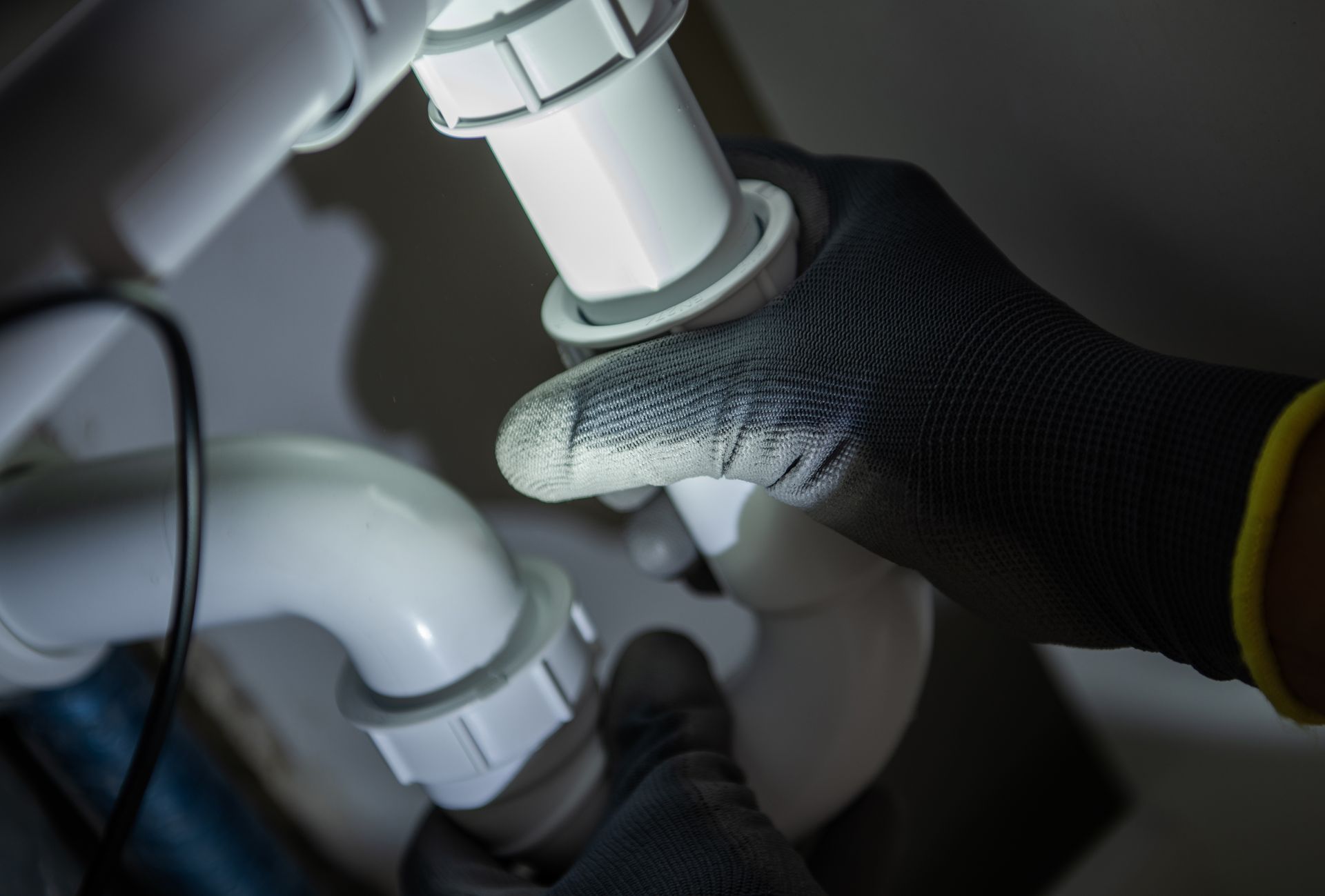
Pipes fail when corrosion eats through the wall, fittings loosen from thermal cycling, or freezing temperatures split the line. The result is water where it shouldn't be—dripping from a ceiling, pooling under a floor, or staining drywall behind a fixture. Pipe repair and replacement restores the water-tight integrity of the supply system by removing the damaged section and installing new pipe that matches the existing material and pressure rating. William G Day Co handles both isolated repairs where a single fitting or pipe segment has failed and larger replacements where multiple sections or entire zones need to be replumbed due to widespread corrosion or repeated failures.
The decision between repair and replacement depends on the extent of the damage and the condition of the surrounding plumbing. A single pinhole leak in an otherwise sound copper line can be repaired by cutting out the damaged section and soldering in a new piece. If the same line has corroded in multiple spots, or if the pipe is galvanized steel that's rusting from the inside, replacement is the better approach because additional failures are likely. The work involves accessing the pipe, removing the damaged length, and installing new material using appropriate joining methods—soldering for copper, compression fittings for certain applications, or threaded connections for galvanized.
Arrange an on-site evaluation to determine whether targeted repair or section replacement is the right approach for your situation.
Why Pipe Condition
Affects Water Delivery
Corroded pipes lose interior diameter as scale and rust build up, which reduces flow and lowers pressure at every fixture downstream of the restriction. Leaking pipes waste water and cause damage, but they also divert flow, so pressure drops at the tap even if the leak itself is small. Replacing the corroded or damaged section restores full flow capacity, eliminates the leak, and prevents further deterioration in that area of the system.
Once the new pipe is installed and tested, water pressure returns to normal, discolored water from rust particles clears up, and the risk of additional leaks in that section is eliminated. The repair is tested under operating pressure to confirm that all connections are secure and that no leaks exist at the joints or along the new pipe length.
Homes in New Castle County built with galvanized steel supply lines often reach a point where multiple sections fail within a short period, and each repair reveals more corrosion in adjacent areas. When that pattern emerges, the technician will explain whether continuing to patch individual failures makes sense or whether a broader replacement project would be more cost-effective over time.
Questions Before Starting Your Project
Pipe repair and replacement questions often focus on how to know when a pipe can be repaired versus when it needs to be replaced, and what the work involves when pipes are hidden.
- How do you determine whether a leaking pipe can be repaired or needs to be replaced? If the leak is at a fitting or in a single, isolated spot on an otherwise sound pipe, repair is usually sufficient; if the pipe shows corrosion in multiple areas, has lost structural integrity, or is made of a material that's known to fail over time like galvanized steel, replacement is the better long-term solution.
- What does the replacement process involve when pipes are behind finished walls? Access points are opened at the location of the damaged pipe, the section is cut out, new pipe is routed through the existing path or an alternative path if necessary, and connections are made to the remaining system using couplings, fittings, or soldered joints depending on the material.
- Why do galvanized steel pipes fail more frequently in older Hockessin homes? Galvanized pipes corrode from the inside as the zinc coating deteriorates and the underlying steel rusts, a process that accelerates over decades and eventually leads to leaks, low pressure, and discolored water as the corrosion narrows the interior diameter and weakens the pipe walls.
- How are new pipe sections joined to existing plumbing? Copper pipes are typically soldered using flux and lead-free solder, PEX is joined with compression or crimp fittings, and transitions between different materials are made using dielectric unions or approved transition fittings to prevent galvanic corrosion.
- What should you watch for after pipe repair or replacement is complete? Monitor the repaired area for any signs of moisture, check water pressure at nearby fixtures to confirm it's consistent, and observe the water for any discoloration or particles that might indicate additional corrosion or sediment elsewhere in the system.
William G Day Co also performs pipe repair and replacement in Wilmington and Newark. For an assessment of your plumbing system and recommendations based on the condition of your pipes, call (302) 427-3700.