
49+
Years Of Experience
Toilets That Flush Completely and Seal Properly
Toilet Repair & Installation in Hockessin for recurring clogs, constant running, and fixtures that leak or no longer flush reliably
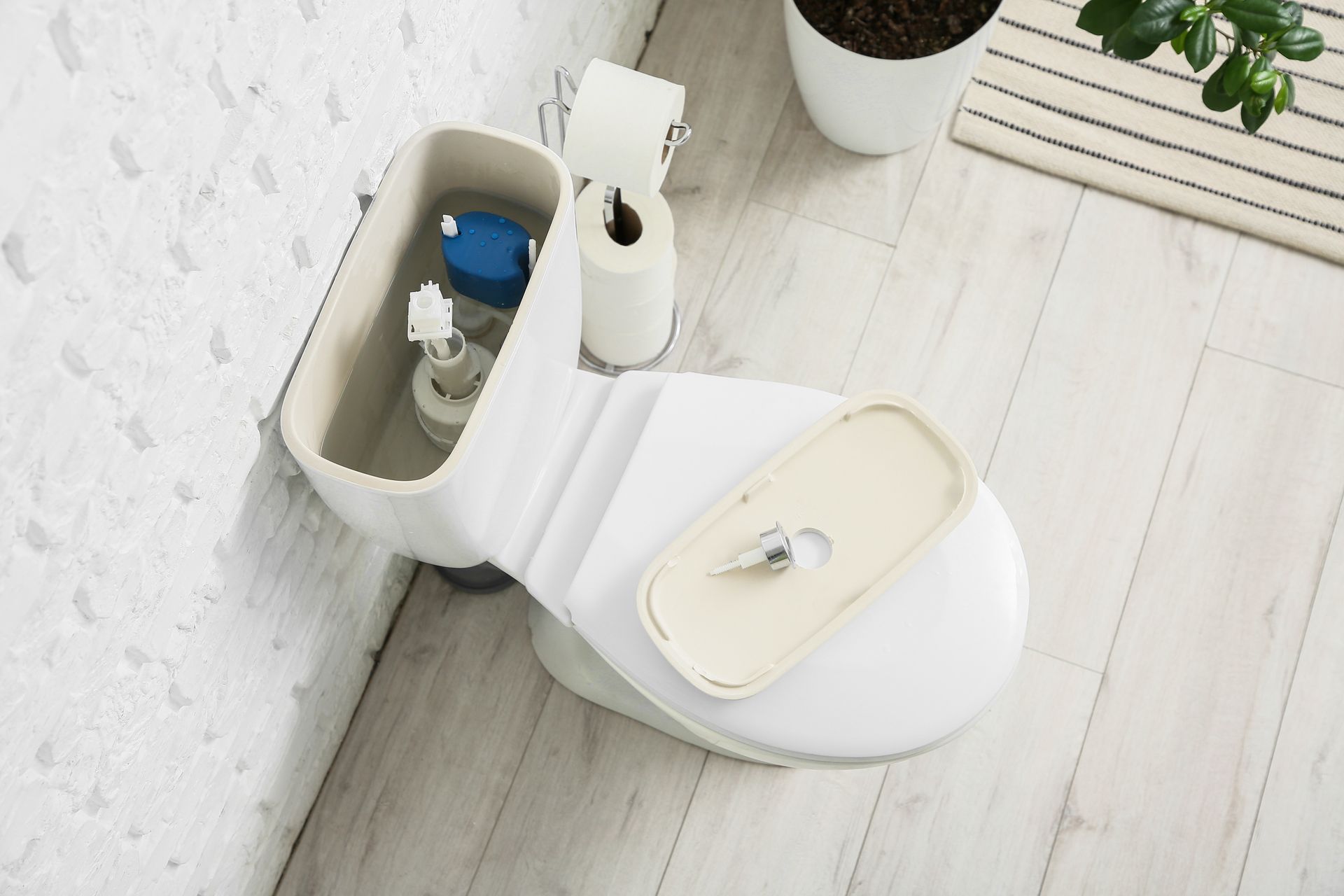
Homes built in the postwar development era across New Castle County often still have original toilets with heavy porcelain tanks and flush mechanisms that were built to last but eventually wear out, leaving homeowners with fixtures that run constantly, fail to clear waste on the first flush, or leak at the base where the wax ring has compressed or the flange has corroded. Toilet repair and installation handles both the mechanical failures inside the tank—flappers that don't seal, fill valves that don't shut off, flush handles that stick—and the structural issues where the fixture connects to the drain, including cracked bowls, deteriorated seals, and unstable mounting. William G Day Co diagnoses the specific failure, determines whether repair or replacement is the appropriate response, and completes the work to restore reliable, leak-free operation.
Most toilet problems fall into one of three categories: internal components that have worn out and need replacement, seal failures where water escapes at the base or between the tank and bowl, and clogs or drainage issues caused by blockages in the trap or inadequate flushing power. Repairs address the failed component—replacing a flapper, fill valve, or wax ring—while installations involve removing the old fixture, inspecting the flange and drain connection, and setting a new toilet with a proper seal and secure mounting.
Schedule an inspection to identify the cause of toilet malfunctions and determine the right repair or replacement approach.
What Changes After the Toilet Is
Repaired or
Replaced
A repaired toilet stops wasting water, flushes completely without requiring multiple attempts, and no longer leaks at the base or inside the tank. A newly installed toilet delivers stronger, more consistent flushing, uses less water per flush if you've upgraded to a modern dual-flush or high-efficiency model, and sits securely on the flange without rocking or shifting. You'll also notice that the floor around the base stays dry, and the tank refills to the correct level and shuts off without continuing to run.
Toilet installation includes checking the flange—the fitting that connects the toilet to the drain pipe—for cracks, corrosion, or improper height, since a damaged or poorly positioned flange prevents the wax ring from sealing properly and leads to leaks that rot the subfloor. If the flange is damaged, it's repaired or replaced before the new toilet is set. The toilet is then positioned over the flange, the wax ring is compressed to form a watertight seal, and the bolts are tightened to secure the fixture without cracking the porcelain.
Toilet selection depends on rough-in dimensions, bowl height preferences, and flushing performance. Standard rough-in is twelve inches from the wall to the center of the drain, but older homes sometimes have ten-inch or fourteen-inch configurations that require specific models. Comfort-height toilets sit higher than standard models and are easier for some users, while dual-flush models offer a choice between full and reduced flush volumes to conserve water.
Common Questions About This Service
Toilet repair and installation questions focus on what causes common failures, how to know when replacement is necessary, and what's involved in the installation process.
- What causes a toilet to run continuously even after the tank refills? The flapper at the bottom of the tank may not be sealing properly due to mineral buildup, deterioration, or misalignment, allowing water to leak from the tank into the bowl and triggering the fill valve to run constantly to maintain water level.
- How do you know if a toilet needs to be replaced rather than repaired? If the porcelain is cracked, the fixture rocks because the flange is damaged, flushing performance is poor despite repairs, or the toilet is old enough that replacement parts are hard to find and recurring repairs are becoming frequent, replacement is usually the better option.
- What happens during a toilet installation? The old toilet is unbolted, the water supply is disconnected, the fixture is lifted off the flange, the old wax ring is scraped away, the flange is inspected and repaired if needed, a new wax ring is placed, the new toilet is set and leveled, the bolts are tightened, and the water supply is reconnected and tested for leaks.
- Why do toilets sometimes leak at the base in older Hockessin homes? The wax ring that seals the toilet to the flange compresses over time and can lose its seal, especially if the toilet has shifted or the flange sits below the finished floor level, allowing water to seep out during flushing and damage the subfloor and surrounding materials.
- What should you check after a toilet is repaired or installed? Flush the toilet several times and watch for leaks at the base, around the tank bolts, and at the water supply connection; confirm that the tank refills to the correct level and shuts off, that the toilet doesn't rock when you sit on it, and that waste clears on the first flush.
William G Day Co also provides toilet repair and installation in Wilmington and Newark. To schedule service or discuss options for upgrading your bathroom fixtures, call (302) 427-3700.