49+
Years Of Experience
Reversible Systems Restored to Full Function
Heat pump repair in Wilmington for systems that fail to switch modes, lose refrigerant pressure, or produce inadequate heating or cooling output
A heat pump that heats poorly but cools normally often has a defrost control fault or reversing valve issue that prevents refrigerant flow direction from changing correctly. William G Day Co repairs heat pumps across Wilmington, Newark, and Hockessin by diagnosing control board failures, refrigerant leaks, compressor malfunctions, and airflow restrictions that prevent the system from maintaining temperature. You call when the outdoor unit remains iced over despite defrost cycles, when the system runs continuously without reaching setpoint, or when switching from heat to cool mode produces no change in airflow temperature.
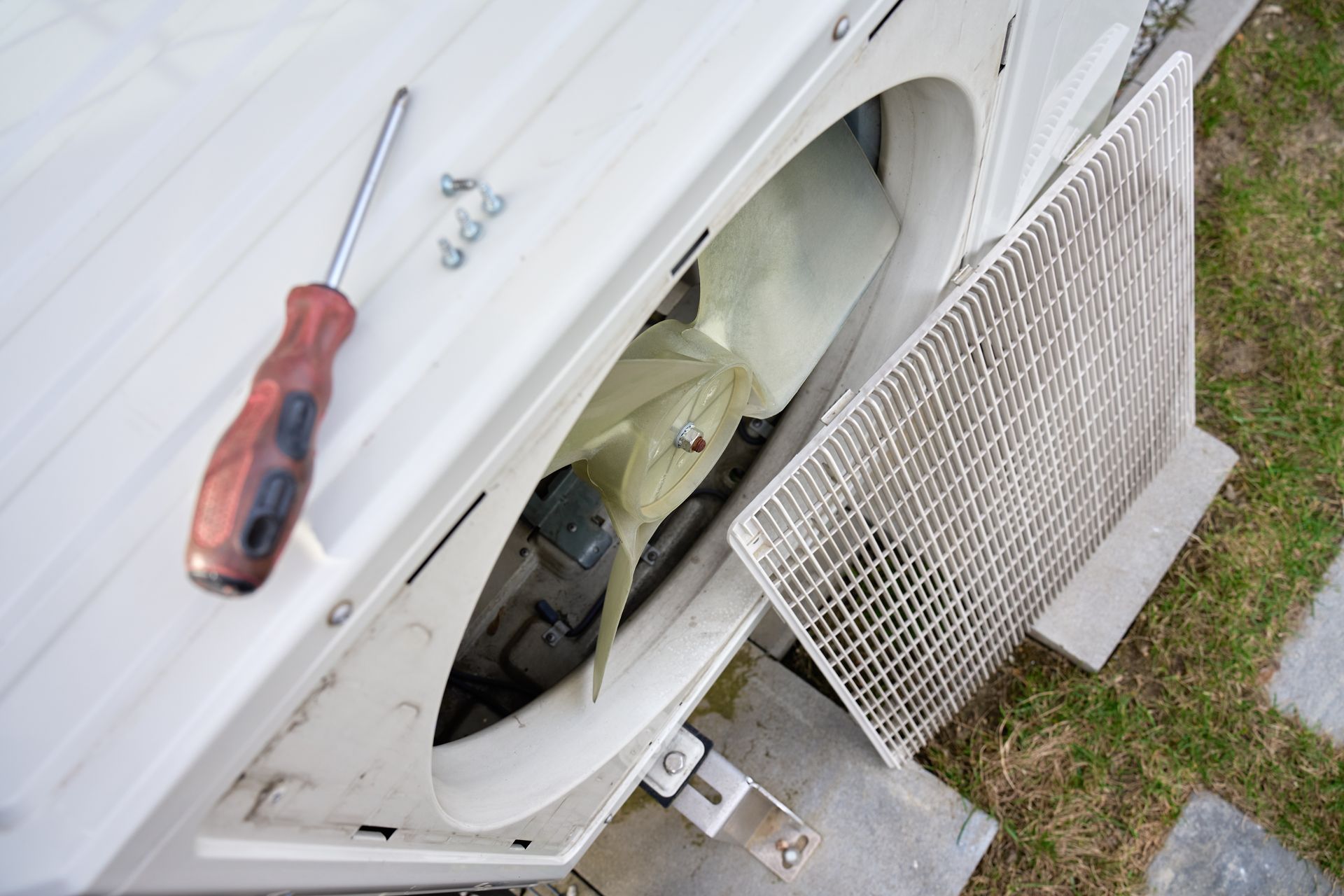
Repair starts with checking refrigerant pressures in both heating and cooling modes, testing the reversing valve solenoid for voltage and mechanical movement, and inspecting the defrost thermostat and control board for proper cycle initiation. Technicians measure amp draw on the compressor and fan motors, check capacitor values against the nameplate rating, and examine the indoor and outdoor coils for blockages that restrict airflow. If refrigerant is low, the system is leak-tested using nitrogen pressure and electronic detectors before the leak is repaired and the charge is restored.
Request a diagnostic service call to identify the control, mechanical, or refrigerant issue preventing your heat pump from operating correctly.
What
Proper Heat Pump Repair Addresses
Heat pump diagnostics require testing in both operating modes because a component failure may only show symptoms when the system reverses refrigerant flow. The reversing valve is energized and de-energized while listening for the refrigerant flow change and checking for temperature swap at the indoor and outdoor coils. Defrost cycles are triggered manually to confirm the control board initiates the sequence, the reversing valve shifts, and the outdoor fan stops while the coil warms. Frozen coils during heating mode indicate low airflow, low refrigerant charge, or a defrost failure, while frozen coils during cooling suggest restricted airflow or an overcharged system.
After repair, the heat pump switches cleanly between heating and cooling without stuck valves or delayed mode changes, defrosts the outdoor coil automatically without ice buildup, and maintains indoor temperature without auxiliary heat energizing unnecessarily. Airflow from registers feels consistent, and the system completes cycles that match the thermostat differential without short-cycling or running continuously.
Repair includes testing all safety controls, verifying that the crankcase heater is functional to prevent compressor damage during cold starts, and checking the thermostat configuration to confirm auxiliary heat lockout is set correctly. Refrigerant charge is verified by subcooling or superheat after any leak repair, and system performance is documented before leaving the site.
Answers to Heat Pump Service Questions
These questions address how heat pump problems are identified and what repair work restores.
- What causes a heat pump to ice over during heating mode? Low refrigerant charge, restricted airflow from a clogged filter or dirty coil, or a failed defrost control that does not initiate the melt cycle will all cause ice to accumulate on the outdoor coil and reduce heating capacity.
- How is a refrigerant leak located in a heat pump system? The system is pressurized with nitrogen, and an electronic leak detector is used to scan joints, valve stems, and coil connections, with leaks often found at the reversing valve, service ports, or brazed joints that have vibrated loose over time.
- Why does a heat pump run constantly without reaching temperature? Undersized equipment for the heat load, low refrigerant charge that reduces capacity, or auxiliary heat disabled in the thermostat settings can all prevent the system from satisfying the call, especially in Wilmington-area homes with older insulation and air sealing.
- What happens when a reversing valve fails? The system may become stuck in one mode, unable to switch from heating to cooling or vice versa, or it may produce lukewarm air in both modes because refrigerant flows in an intermediate position that does not fully commit to either direction.
- When should a heat pump be replaced instead of repaired? Replacement is considered when the compressor has failed and the system is more than ten years old, when refrigerant leaks are located inside the coil itself rather than at a repairable joint, or when multiple major components have required replacement within a short period.
William G Day Co also repairs heat pump systems in Newark and Hockessin. Call (302) 427-3700 to schedule heat pump repair service and restore reliable year-round climate control.