49+
Years Of Experience
Heating That Responds When the System Fails
Furnace repair in Hockessin for systems that won't ignite, cycle off mid-operation, or fail to maintain set temperatures
William G Day Co handles furnace repair across Hockessin, Wilmington, and Newark by diagnosing mechanical failures, control malfunctions, and airflow restrictions that prevent residential and light commercial heating systems from producing adequate warmth. The work addresses ignition faults, thermostat disconnects, component wear, and performance drift in both gas and electric forced-air furnaces. You call when rooms stay cold despite a running blower, when the system trips off before reaching temperature, or when startup attempts produce clicking sounds but no flame.
Repair begins with testing the thermostat signal path, checking voltage at the control board, and verifying that the ignition sequence completes without fault codes. Technicians inspect the flame sensor for carbon buildup that blocks current flow, test the pressure switch to confirm exhaust draft, and measure amp draw on the blower motor to identify bearing wear or capacitor failure. If the system short-cycles, the heat exchanger is examined for cracks that trip the limit switch, and ductwork is checked for return air restrictions that cause overheating.
Schedule a diagnostic evaluation to identify the component or control preventing your furnace from completing its heating cycle.
What Furnace Repair
Restores in Occupied Properties
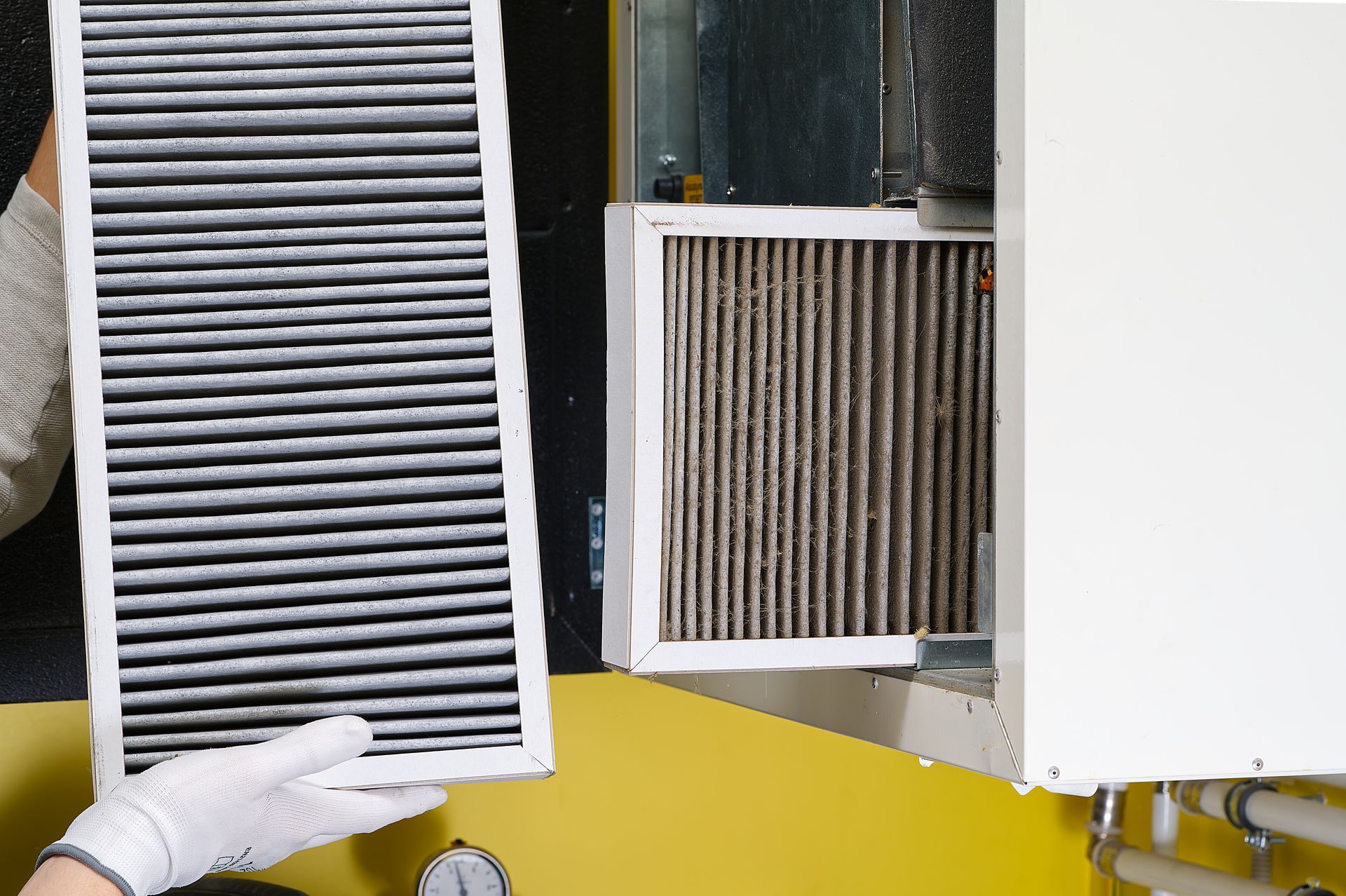
Proper repair work isolates the failed component rather than replacing assemblies in sequence until heat returns. When a furnace won't start, the ignitor is tested for resistance, the gas valve solenoid is checked for coil continuity, and the flame rollout switch is inspected for manual reset status. When the system runs but produces insufficient heat, burner flames are observed for color and pattern, the blower speed tap is verified against duct static pressure, and the air filter housing is checked for bypass leaks that reduce airflow across the heat exchanger.
Once the faulty part is replaced and the system cycles normally, rooms reach the thermostat setpoint without temperature swings, the blower shuts off at the correct post-purge interval, and the furnace operates quietly through startup and shutdown. Airflow becomes consistent across all registers, and the system no longer generates odors from overheated dust or strained components.
Repair work includes functional testing of all safety controls, recalibration of the thermostat anticipator if the system uses a mechanical stat, and documentation of operating pressures or voltages that fall outside the manufacturer's specification range. Components are sourced to match the original equipment rating, and warranty coverage is explained at the time of replacement.
Questions About Furnace Repair Work
These answers address how furnace malfunctions are diagnosed and what changes after the repair is completed.
- What happens during a furnace diagnostic call? The technician tests the thermostat, verifies power and gas supply, observes the ignition sequence, measures blower amp draw, and checks for fault codes stored in the control board memory.
- How is a flame sensor failure different from an ignitor problem? A failed ignitor prevents the burner from lighting at all, while a fouled flame sensor allows ignition but shuts the gas valve within seconds because it cannot confirm flame presence through electrical current.
- What causes a furnace to run constantly without reaching temperature? Undersized equipment, significant duct leakage, a blower motor operating at the wrong speed tap, or a heat exchanger with reduced surface area due to internal corrosion can all prevent the system from satisfying the thermostat call.
- When is furnace replacement recommended over continued repairs? Replacement is typically discussed when the heat exchanger is cracked, when cumulative repair costs approach half the price of a new system, or when the furnace operates at an AFUE rating significantly below current efficiency standards available for Hockessin-area homes.
- What should you check before calling for furnace repair? Confirm the thermostat is set to heat mode and above room temperature, verify the furnace power switch is on, check that the circuit breaker has not tripped, and replace the air filter if it appears clogged or discolored.
William G Day Co provides furnace repair throughout New Castle County for systems that have stopped heating or are operating outside normal performance parameters. Call (302) 427-3700 to arrange a service appointment and restore consistent heat to your property.