
49+
Years Of Experience
Dual-Function Systems Built for Variable Load
Heat pump installation in Newark for properties seeking year-round climate control from a single system designed to handle both heating and cooling demands
Heat pump installation replaces separate furnace and air conditioner equipment with a reversible refrigeration system that extracts warmth from outdoor air during heating season and rejects indoor heat during cooling season. William G Day Co installs ducted and ductless heat pump systems across Newark, Wilmington, and Hockessin after calculating heating and cooling loads, verifying electrical service capacity, and assessing duct system compatibility. You call when replacing aging equipment, when fuel costs justify a switch from resistance heat or oil, or when adding climate control to a property without existing ductwork.
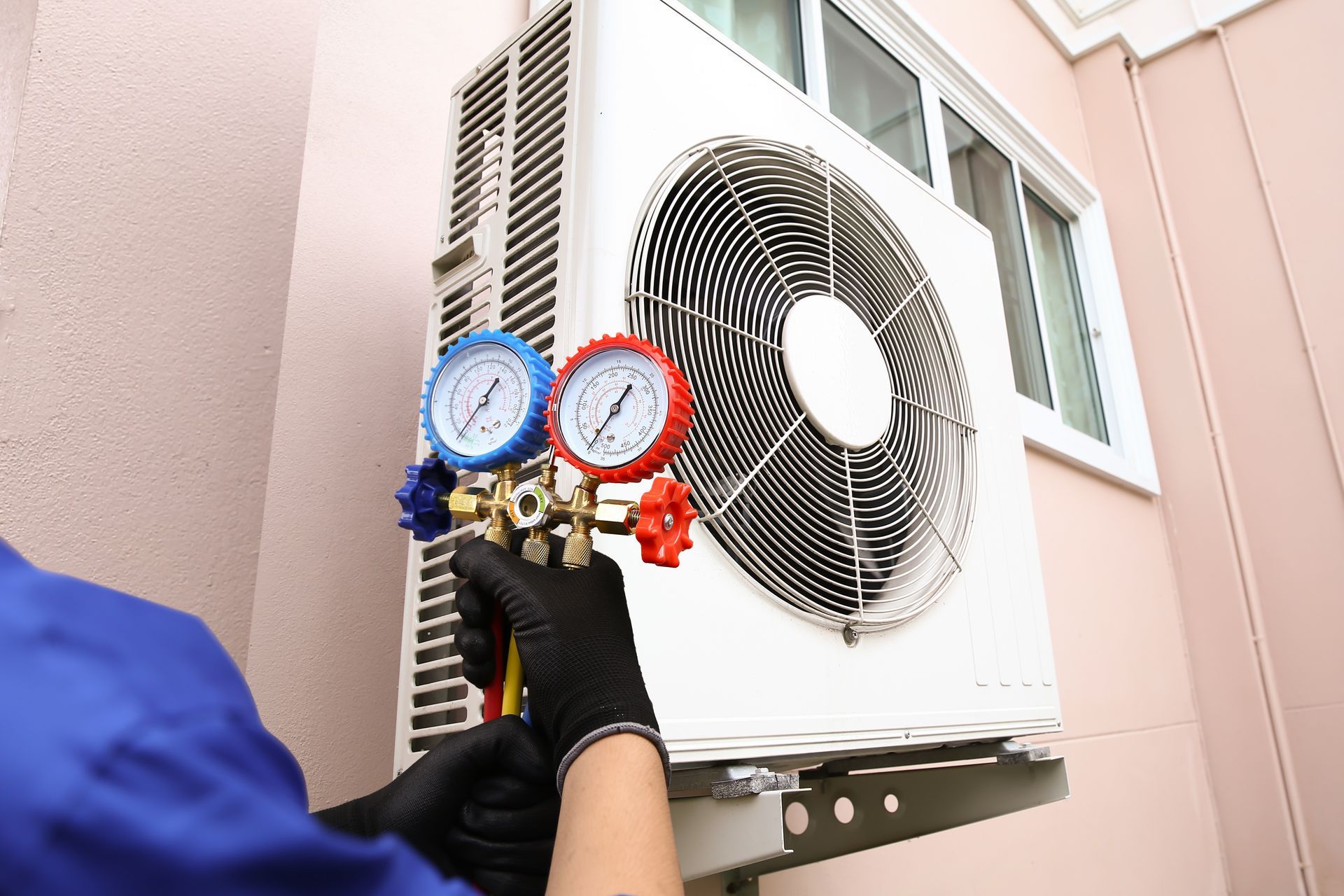
Installation involves mounting the outdoor compressor unit on a level pad or bracket, running refrigerant lines and control wiring to the indoor air handler or ductless head, and connecting the system to existing ductwork or installing new air distribution components. Electrical service is upgraded if the panel lacks capacity for the heat pump's breaker size, and the thermostat is replaced with a model that supports heat pump staging and auxiliary heat control. The system is evacuated, charged with refrigerant to the manufacturer's specification by weight or subcooling, and tested in both heating and cooling modes.
Schedule a property evaluation to determine whether a ducted or ductless heat pump system aligns with your existing infrastructure and comfort goals.
Why Heat Pump
Sizing and
Configuration Matter
Heat pump capacity is matched to the larger of the heating or cooling load, with auxiliary heat strips or a backup furnace added when the calculated heat loss exceeds the unit's output at the winter design temperature. Variable-speed compressors and blowers adjust output continuously, while single-stage units operate at full capacity regardless of load. Ductless systems are zoned by indoor head location, allowing independent temperature control in each room or area served by a wall-mounted or ceiling-recessed unit.
Once installed and commissioned, the heat pump maintains consistent indoor temperature without switching between separate heating and cooling systems, defrosts automatically when coil ice accumulates, and operates quietly through refrigerant flow reversal. Rooms reach setpoint without temperature overshoot, and the system responds to thermostat adjustments within minutes rather than waiting for a furnace to warm up.
Installation includes line set insulation to prevent condensation, vibration isolation pads under the outdoor unit, and weatherproof sealing of refrigerant line penetrations through walls or foundations. Refrigerant piping is pressure-tested before charging, and airflow is verified using temperature split measurements across the indoor coil.
Common Questions About Heat Pump Installation
These questions address how heat pumps are installed and what changes after the system is operational.
- What electrical work is required for a heat pump installation? Most heat pumps require a dedicated 240-volt circuit with a breaker sized to the unit's maximum amp draw, and homes with older 100-amp electrical panels may need a service upgrade to accommodate the load without exceeding panel capacity.
- How does a ductless heat pump system differ from a ducted installation? Ductless systems mount individual air handlers on walls or ceilings, each connected to the outdoor unit by refrigerant lines and control wiring, eliminating duct losses and allowing zone-by-zone temperature control in Newark-area homes with limited space for ductwork installation.
- What happens during the system commissioning process? The technician verifies refrigerant charge using superheat or subcooling measurements, tests defrost cycle operation, confirms airflow across the indoor coil matches design specifications, and programs the thermostat to prevent auxiliary heat from energizing unnecessarily.
- When is auxiliary heat added to a heat pump system? Auxiliary heat is installed when the heat pump's output at the local winter design temperature falls short of the calculated heat loss, or when backup heat is desired for faster recovery from deep setback or for use when the outdoor temperature drops below the heat pump's economic balance point.
- What maintenance does a new heat pump require? Heat pumps need seasonal filter changes, annual coil cleaning, refrigerant pressure checks, and inspection of the defrost control and reversing valve to maintain efficiency and prevent premature compressor failure.
William G Day Co also installs heat pump systems in Hockessin and Wilmington. Financing options are available for qualifying installations. Call (302) 427-3700 to arrange a consultation and review heat pump options for your property.