49+
Years Of Experience
Service Dispatched When Systems Quit
Emergency heating repair in Hockessin for furnaces and heat pumps that stop producing heat during occupied hours, overnight, or during cold weather events
Emergency heating calls involve no heat at the thermostat, burners that ignite then shut off immediately, or heat pumps locked in defrost mode with ice-covered coils. William G Day Co responds to heating failures across Hockessin, Wilmington, and Newark by diagnosing control faults, component failures, and safety lockouts that prevent furnaces and heat pumps from completing their heating cycles. The work restores warmth when indoor temperatures drop below safe or comfortable levels, when occupied properties lose heat overnight, or when weather conditions make delayed repair unsafe. You call when the system will not start despite repeated thermostat adjustments, when burning odors or unusual noises accompany a shutdown, or when the furnace runs but produces only cold air from the registers.
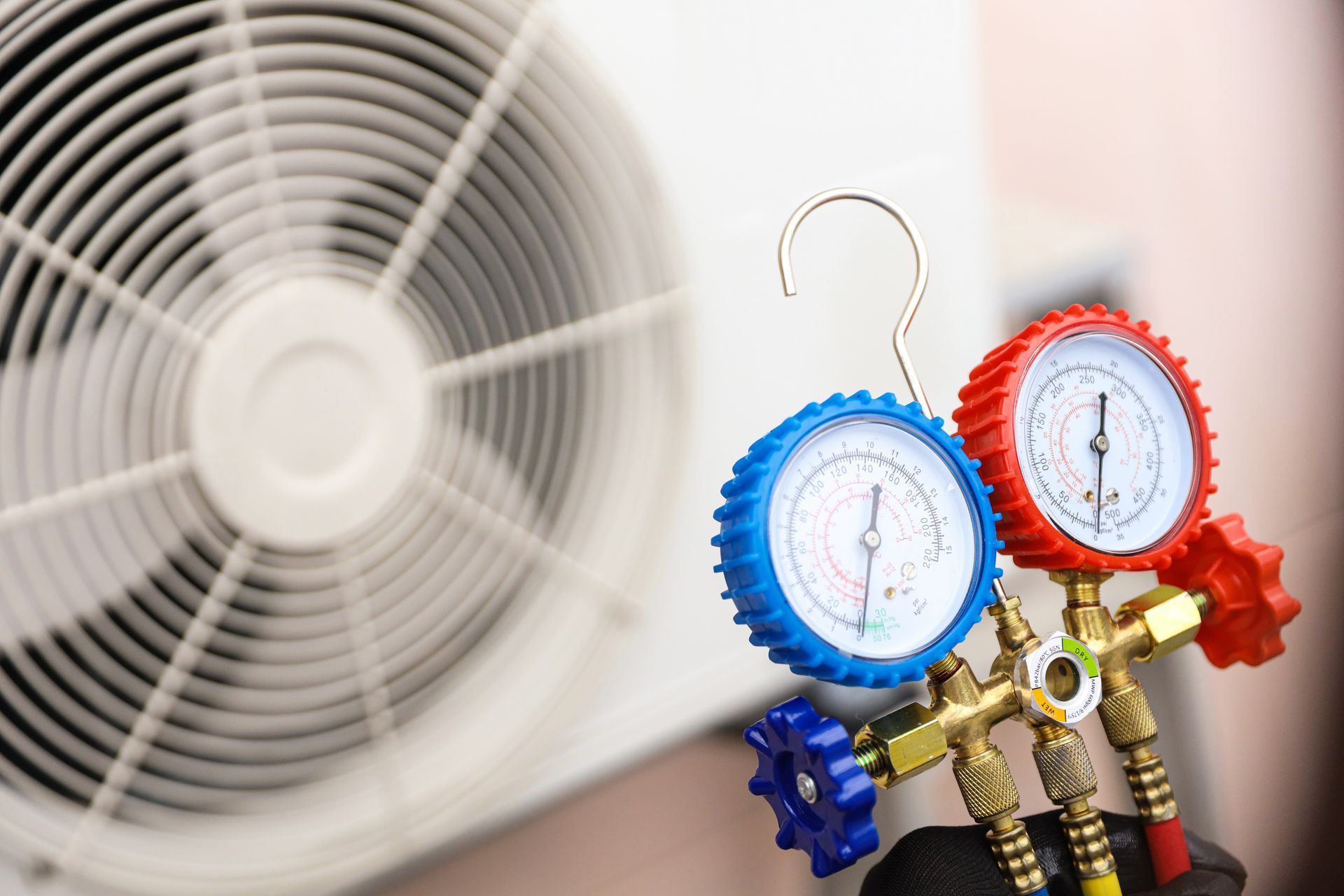
Emergency repair begins with identifying whether the system has power, whether the thermostat is sending a heat call, and whether the furnace or heat pump is locked out by a safety control. Technicians test for voltage at the control board, check the ignition sequence for fault codes, and inspect the flame sensor, pressure switch, or limit switch for open circuits. On heat pumps, refrigerant pressures are checked, the reversing valve is tested for proper operation, and the defrost control is evaluated for cycle completion. Failed components are replaced with available stock, and systems are restarted and monitored through multiple cycles to confirm stable operation.
Call (302) 427-3700 when your heating system stops working and indoor temperatures are dropping.
What
Emergency Heating Repair Includes
Emergency service prioritizes restoring heat quickly using available parts and diagnostic steps that isolate the fault without full system teardown. Common emergency repairs include replacing a cracked ignitor, cleaning a fouled flame sensor, resetting a tripped limit switch after clearing a blocked flue, or replacing a failed capacitor that prevents the blower from starting. On heat pumps, emergency work may involve jumpering a defrost control, replacing a reversing valve solenoid, or adding refrigerant to restore sufficient pressure for heating operation until a full leak repair can be scheduled.
Once the failed component is replaced and the system cycles normally, rooms begin warming toward the thermostat setpoint, the furnace or heat pump runs without tripping safety switches, and airflow from registers returns to normal volume and temperature. The system completes heating cycles without shutting off prematurely, and no warning smells or sounds accompany operation.
Emergency work includes safety checks of combustion venting, carbon monoxide testing if a furnace has been back-drafting, and documentation of the failed part and operating conditions at the time of the call. Follow-up recommendations are provided if additional repairs are needed to address underlying causes or wear patterns that may lead to future failures.
Questions About Emergency Heating Service
These questions address how emergency heating failures are handled and what gets restored during the call.
- What should you check before calling for emergency heating repair? Confirm the thermostat is set above room temperature in heat mode, check the furnace power switch and circuit breaker, replace the air filter if visibly clogged, and reset the system by turning the thermostat off for one minute before turning it back on.
- What causes a furnace to ignite then shut off immediately? A fouled flame sensor that cannot detect the burner flame, a cracked heat exchanger that trips the rollout switch, or a blocked flue that causes the pressure switch to open will all shut the gas valve within seconds of ignition.
- How is a heat pump defrost failure handled during an emergency call? The defrost control or board is tested for proper cycle initiation, and if the coil remains frozen, the system may be temporarily switched to emergency heat mode while the reversing valve or defrost thermostat is replaced and tested.
- When is a temporary repair recommended versus a full fix? Temporary repairs are used when the failed part is not in stock, when additional diagnostic work is needed during daylight hours, or when restoring heat quickly takes priority over completing all related service work in a single visit.
- What safety concerns are checked during an emergency heating call? Technicians test for proper combustion venting, check for gas leaks at valve connections, measure carbon monoxide levels in the flue and living space, and verify that all safety switches and limit controls are functioning correctly to prevent hazardous operation.
William G Day Co also provides emergency heating repair in Wilmington and Newark. Call (302) 427-3700 immediately when your heating system fails and you need service dispatched to restore heat to your property.